Pet dental care to keep dogs and cats smiling
It’s about more than fresh breath. Regular cleanings and everyday care help prevent infection, dental disease, and pain, and keep your pet healthier overall.

Why a healthy mouth matters
Dental disease is one of the most common (and overlooked) health issues in dogs and cats. It often starts quietly, with plaque and tartar buildup, and can progress into gum disease, infection, and pain.
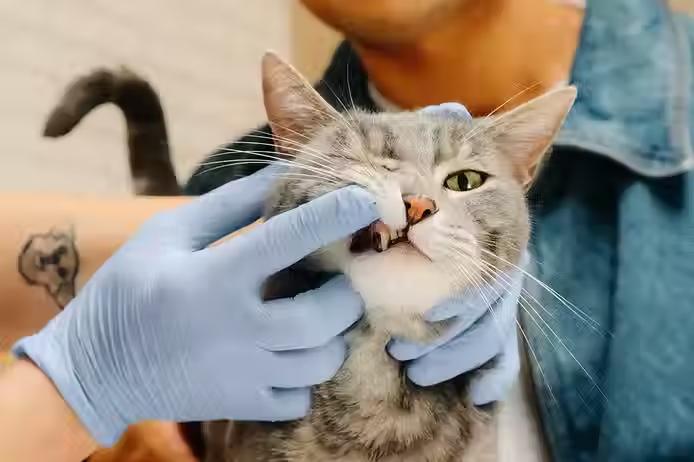
Begins in the mouth
Plaque and tartar buildup can lead to gingivitis, periodontal disease, abscesses, and tooth loss – painful issues that aren’t always obvious.

It doesn’t stay
Bacteria buildup can enter the bloodstream and affect major organs, including the heart, kidneys, and liver, that impact overall health.
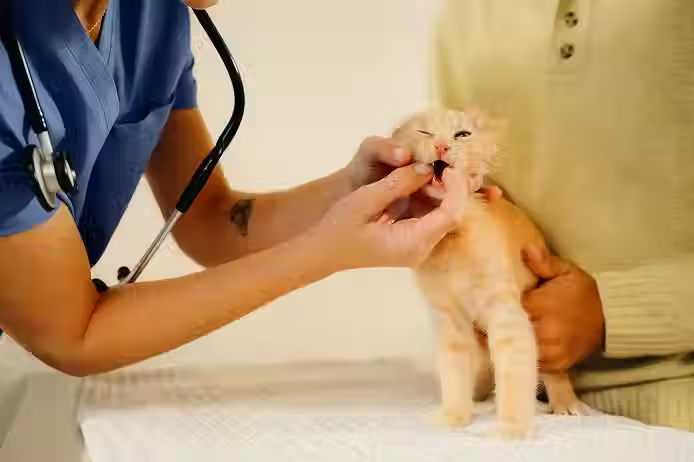
It gets harder to fix
Dental issues don’t resolve on their own. Untreated problems progress from simple care to complex, invasive, and costly treatments.
How often should pets get dental cleanings?
At least once a year. Most adult dogs and cats need an annual professional cleaning, though some require more frequent care based on their breed and history. Regular checkups help your vet catch issues early, keeping your pet healthy and preventing painful, costly problems later. Better health starts with a smile:
What goes into dental care?
Dental care works best when professional cleanings and at-home habits support each other. One helps catch and treat issues; the other helps slow them down.
Dental care is most effective when it involves professional cleanings and healthy habits. A vet can catch and treat issues. You can help slow them down.
At-home care helps support professional cleanings and slow plaque buildup between visits. This can include brushing, dental chews, or other vet-recommended products. Starting slowly and building a routine makes dental care easier for both pets and people.
Early dental habits can make a big difference later on. Puppies and kittens go through teething stages that benefit from gentle care and positive experiences. Introducing brushing early and understanding normal tooth development helps promote better oral health through every stage.
-
Persistent bad breath
-
Red or bleeding gums
-
Drooling or pawing at the mouth
-
Difficulty eating or chewing
-
Loose or missing teeth
-
Behavioral changes linked to pain
Signs of trouble

The cost of pet dental care
Routine dental care helps keep small issues from turning into bigger ones. When cleanings are done consistently, pets are less likely to develop painful infections or require invasive treatment.
Prevention
Being proactive is better for your pet’s health, and for your wallet.
Service
Annual preventive care
Estimated cost
$300 - $700
Treatment
Ignoring dental care can become a big health problem and a big cost.
Service
Dental disease treatment
Estimated cost
$1,500-$10,000+


FAQs
Yes. Professional cleanings remove plaque and tartar that brushing alone can’t reach. Without cleanings, dental disease can progress into pain, infection, and tooth loss. Experts emphasize that periodontal disease is the most common clinical condition in adult dogs. Dental care supports overall health, not just a clean smile.
Costs vary based on size, health, and the level of care needed. Routine cleanings are generally much less expensive than treating advanced dental disease, with standard procedures often starting around $300 to $700 depending on the clinic. When care is delayed, treatment often becomes more involved. Preventive cleanings help keep things manageable.
Most dogs benefit from professional cleanings about once a year. Some breeds or dogs with dental issues may need them more often. Regular exams help determine the right timing. Dental needs can change over time.
Yes. Cats commonly develop dental disease, even if they don’t show obvious discomfort. Problems often progress quietly below the gumline, and research shows most cats have some form of dental disease by age three. Cleanings and at-home care help protect cats from pain they may not express.
Brushing with cat-safe products is one effective option, but many cats need time to adjust. Starting slowly with positive reinforcement helps build tolerance. Dental treats and vet-recommended products can also support oral health. The goal is progress, not perfection.
Costs depend on your cat’s health and the level of care required. Preventive cleanings are typically less expensive than treating advanced dental disease, with basic packages in the US often starting around $300. Early attention helps avoid more complex procedures later. It’s one of those cases where sooner is simpler.