Heartworm prevention for dogs and cats
Heartworm disease is hard on the body and can cause lasting damage. Once an infection takes hold, it’s more difficult to treat – so early protection is important.

A hidden threat with lasting impact
Heartworms are transmitted through mosquito bites and affect the heart, lungs, and blood vessels. Because exposure can happen anywhere mosquitoes live, heartworm prevention is recommended year-round.

Dogs
In dogs, heartworm disease can cause lasting damage to the heart and lungs and may be fatal if left untreated. Prevention is far safer and more effective than treatment.

Cats
Cats can get heartworm disease, too - even indoor cats. While cats usually carry fewer worms, the disease can still cause severe respiratory symptoms and sudden illness.
Protection that starts before infection
Heartworm prevention works by stopping infection before it begins. Because treatment options are limited - especially for cats - consistent preventive care is the safest and most reliable approach.
Heartworm prevention for dogs is widely recommended year-round, even in colder climates. Preventives are available in oral, topical, and injectable forms, and your veterinarian can help determine the best option for your dog.
Treating heartworm disease is expensive, risky, and physically demanding for dogs. Prevention helps avoid lengthy treatment, strict activity restrictions, and long recovery periods.
Cats can develop heartworm disease even though they are not the parasite’s natural host. In many cases, cats don’t show obvious symptoms until the disease has already caused damage.
Because there is no approved treatment to eliminate adult heartworms in cats, prevention is especially important. Monthly preventive medications help reduce risk and protect cats from heartworm-associated disease.
Early signs of heartworm disease in dogs can include coughing, fatigue, weight loss, decreased appetite, and reduced tolerance for exercise. As the disease progresses, dogs may experience difficulty breathing, heart failure, and organ damage.
Treatment for dogs involves a multi-step process that can include hospitalization, injectable medications, strict activity restriction, and months of recovery. While treatment can be effective, it is expensive, physically demanding, and carries risk—making prevention the safer option.
Heartworm disease in cats often presents differently than in dogs. Some cats show mild or intermittent symptoms such as coughing, vomiting, or lethargy, while others may experience sudden breathing distress or collapse with little warning.
There is no approved treatment to kill adult heartworms in cats. Care typically focuses on managing symptoms and supporting respiratory function, which is why prevention is especially important for cats.
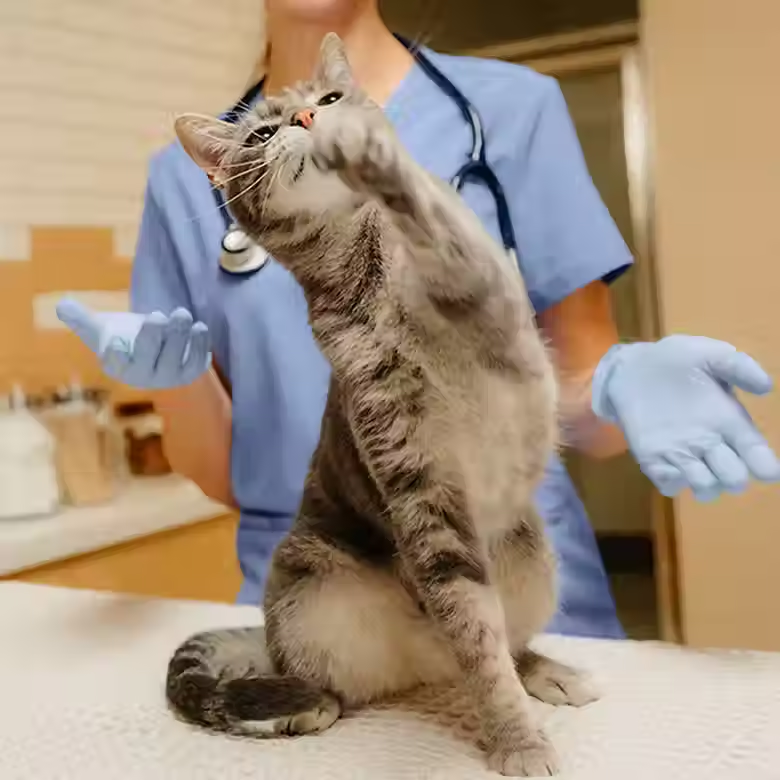
Understanding the risks of heartworm disease
Heartworm disease affects more than just the heart. Infected pets can experience damage to the lungs, blood vessels, and surrounding organs—sometimes with lasting consequences.¹
Heart and lung damage
Adult worms live in the heart and pulmonary arteries, disrupting normal function.
Respiratory distress
Coughing, difficulty breathing, and reduced exercise tolerance are common signs.
Serious illness or death
In dogs, untreated heartworm disease can be fatal. In cats, even a few worms can cause sudden, severe illness.
Limited treatment options
Treatment for dogs is intensive and risky; treatment options for cats are extremely limited.
Treatment information
For dogs
Treatment involves a series of injections to kill adult heartworm, along with strict exercise restriction for several months. The treatment itself carries risks and requires hospitalization and monitoring.
For cats
There is no approved treatment for heartworm in cats. Veterinarians can only provide supportive care to manage symptoms and hope the cat's immune system eliminates the worms naturally.
Cost for dogs
$1,000 - $3,000+ depending on severity
Prognosis for cats
Often poor; prevention is the only option
Heartworm treatment is expensive and risky - reinforcing the importance of prevention:
Pumpkin Wellness Club can help you get reimbursed for preventive care and protect your pet before problems arise.
FAQs
Dogs get heartworm disease through the bite of an infected mosquito. Once inside the body, larvae mature into worms that affect the heart and lungs. The American Heartworm Society explains that the disease can progress quietly for months, often without outward symptoms, which is why prevention is designed to stop the infection before it ever takes hold of your pet’s system.
Yes. Mosquitoes are crafty and frequently get indoors through open doors or window screens, even in cooler climates. Because it only takes a single bite to pose a significant health risk, experts recommend year-round prevention for all dogs to account for how unpredictable exposure can be, regardless of how much time they spend outside.
Yes. Cats can contract heartworm disease even if they live entirely indoors. While the infection often presents differently in cats compared to dogs - sometimes causing sudden respiratory distress - the effects can still be severe. The Cornell Feline Health Center notes that because treatment options for adult heartworm in cats are extremely limited and risky, prevention plays a unique and vital role in feline care.
Early signs can include coughing, fatigue, weight loss, or changes in breathing. However, some pets show very subtle symptoms, while others show none at all until the disease is advanced. By the time physical signs become obvious, internal damage may already be present, which is why heartworm testing is taken so seriously before any symptoms even appear.
Heartworm prevention involves veterinarian-recommended medication given on a regular, predictable schedule. Options include monthly chewables, topicals, or longer-acting injectables. The Companion Animal Parasite Council (CAPC) stresses that missing even a single dose can reduce protection and create a window for infection, so staying on track with your vet's recommended plan makes the biggest difference.
